Home >

Designing Guest-Centric Hotel Spaces

Designing Guest-Centric Hotel Spaces

architectural elements that influence hotel guest spaces
Elena Vasquez | 2025-11-21

Have you ever walked into a hotel lobby that instantly made you feel at home? The impact of architectural decisions on guest experience is profound, shaping not only the aesthetics but also the emotions and comfort of visitors. As the landscape of hospitality design evolves, understanding the significance of these elements is crucial for any hotelier looking to enhance guest satisfaction and drive profitability.

What You Will Learn

  • Architectural Design Matters: Thoughtful hotel architecture influences guest perceptions and emotional connections, impacting overall satisfaction.
  • Key Elements for Comfort: Natural light, ceiling height, layout flow, and sound design are critical in creating inviting and comfortable guest spaces.
  • Lobby Design as a First Impression: An aesthetically pleasing and functional lobby sets the tone for the guest experience, enhancing initial impressions.
  • Guestroom Layout Efficiency: Intuitive layouts and strategic furniture arrangements maximize comfort and accessibility for all guests.
  • ROI of Design Investments: Understanding the correlation between design quality and guest satisfaction can lead to higher occupancy rates and revenue.
  • Health-Conscious Adaptations: Incorporating touchless systems and health-focused designs is increasingly important in the post-pandemic hospitality landscape.
  • Generational Preferences: Tailoring designs to meet the unique preferences of different demographics, from Gen Z to Baby Boomers, enhances guest experience.
  • Technological Integration: Robust Wi-Fi infrastructure and smart room technologies cater to modern guest expectations, improving overall satisfaction.

Evaluating Design Investments and Their Impact on Guest Satisfaction

Several key design elements significantly influence guest satisfaction and can yield measurable outcomes when strategically invested in. Below, you can see a breakdown of design investments and their results. For more insights on creating inviting spaces, explore how designing your perfect ambience can elevate guest experiences.

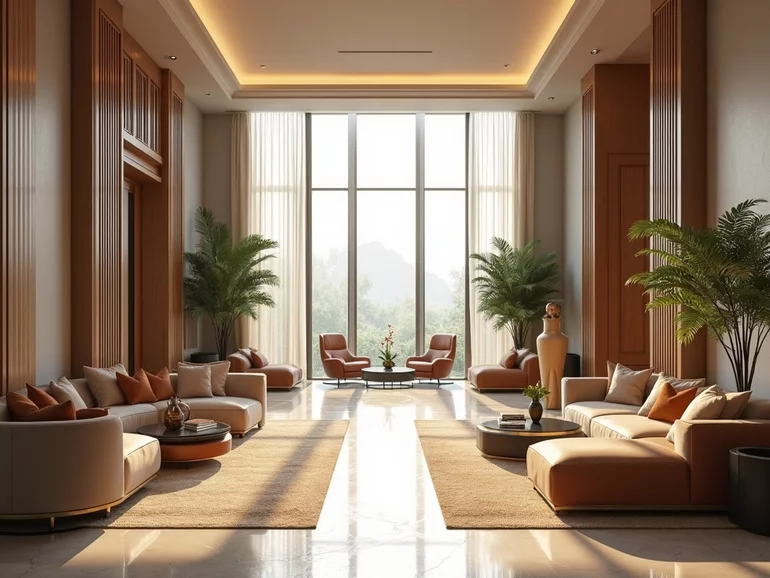
Lobby Design

A beautifully designed lobby can set the tone for the entire stay. Investing in inviting spaces boosts first impressions.

Guestroom Amenities

Upgrading furniture and fixtures can increase guest comfort and satisfaction ratings.

Outdoor Spaces

Incorporating terraces and lounges enhances relaxation options, leading to longer stays and repeat visits.

Smart Technologies

Implementing technology, like climate control and touchless systems, appeals to tech-savvy guests and improves their experience.

Understanding the Impact of Architectural Elements on Hotel Guest Spaces

Defining Hotel Architecture and Its Significance

When we talk about hotel architecture, we're referring to the design and structure of spaces that significantly impact guest experiences. This involves everything from the exterior façade to the intricate details of interior layouts. At Luxe Atmosphere Design, we believe that thoughtful architectural decisions can create not just visually appealing spaces but also enhance the emotional connection guests feel during their stay.

The significance of architecture in hotels goes beyond mere aesthetics. It shapes how guests perceive their environment, influencing their comfort and satisfaction levels. A well-designed hotel can evoke feelings of relaxation, excitement, or even nostalgia, depending on how effectively the architectural elements engage the senses. To understand more about creating memorable guest experiences, consider enhancing hospitality through sensory design.

Identifying Key Architectural Elements That Influence Guest Comfort

Several architectural elements play crucial roles in shaping guest comfort. Here are some key features that I often consider in my designs:

  • Natural Light: Large windows and skylights can flood a space with light, making it feel open and inviting.
  • Ceiling Height: Higher ceilings can create a sense of spaciousness, while lower ceilings may feel cozy and intimate.
  • Flow and Layout: Efficient layouts that guide guests through the space can enhance their experience and ease of navigation.
  • Sound Design: Incorporating acoustic elements can minimize noise disruption, promoting relaxation.

By identifying and integrating these elements, we can create environments that not only look beautiful but also cater to the emotional and physical comfort of our guests.

The Role of Lobby Design in Guest First Impressions

The lobby is often the first space that guests encounter, and its design plays a pivotal role in shaping their first impressions. A well-designed lobby should be both inviting and functional, setting the tone for the entire stay. Imagine stepping into a lobby where soft lighting, comfortable seating, and engaging art pieces draw you in—this is where thoughtful design comes into play!

Here are some key aspects to consider in lobby design:

  • Aesthetic Appeal: Use of colors and textures that reflect the hotel's brand can create a strong visual identity.
  • Functional Spaces: Designated areas for check-in, lounging, and socializing enhance guest interaction.
  • Welcoming Atmosphere: Elements like plants or water features can contribute to a calming environment.

At Luxe Atmosphere Design, we focus on creating lobbies that not only impress but also ensure that guests feel at home from the moment they walk in. For more on creating inviting spaces, learn about calming hotel lobby sensory spaces.

Guestroom Layout and Furniture Arrangement: Maximizing Comfort

Once guests reach their rooms, the layout and furniture arrangement can significantly affect their comfort level. An intuitive layout allows for easy movement and functionality, while furniture placement can create cozy nooks or open spaces for relaxation. It’s essential to think about how every piece enhances the overall experience.

Key considerations for guestroom layout include:

  • Space Utilization: Efficient use of space ensures guests can move around freely without feeling cramped.
  • Furniture Arrangement: Arranging furniture to promote relaxation, such as facing the bed towards a window, can create a soothing atmosphere.
  • Accessibility: Ensuring pathways are clear and furniture is appropriately sized for all guests enhances comfort.

By focusing on these elements, we can craft guestroom designs that not only look good but also prioritize guest satisfaction. At Luxe Atmosphere Design, we aim to transform ordinary hotel rooms into sanctuaries of comfort and style!

Pro Tip

Consider implementing biophilic design elements in your hotel architecture. Research shows that incorporating natural elements—like indoor plants, water features, and natural materials—can significantly enhance guest satisfaction and well-being. Not only do these features create a more inviting atmosphere, but they also promote relaxation and reduce stress levels, leading to a more memorable guest experience.

Evaluating the ROI of Architectural Decisions in Hospitality

When we think about the success of a hotel, it's crucial to look closely at how architectural decisions affect profitability. At Luxe Atmosphere Design, I often reflect on how thoughtful design not only enhances the guest experience but also boosts the bottom line. Understanding the return on investment (ROI) from design choices can help hospitality professionals make informed decisions that resonate with both guests and their financial goals.

To truly grasp this concept, we need to analyze various design investments and how they correlate with guest satisfaction. Investing in elements like high-quality materials and innovative layouts can lead to higher occupancy rates and positive reviews. In this section, I’ll break down some key areas to consider when evaluating the ROI of architectural decisions in hospitality.

Comparative Analysis of Design Investments and Guest Satisfaction

Understanding the relationship between design investment and guest satisfaction is essential. Guests are often willing to pay a premium for hotels that offer a stunning atmosphere combined with comfort. Here are some areas where strategic investments can yield significant returns:

  • Lobby Design: A beautifully designed lobby can set the tone for the entire stay. Investing in inviting spaces boosts first impressions.
  • Guestroom Amenities: Upgrading furniture and fixtures can increase guest comfort and satisfaction ratings.
  • Outdoor Spaces: Incorporating terraces and lounges enhances relaxation options, leading to longer stays and repeat visits.
  • Smart Technologies: Implementing technology, like climate control and touchless systems, appeals to tech-savvy guests and improves their experience.

By analyzing these investments, hoteliers can see how design improvements lead to higher guest satisfaction, which directly influences profitability through increased loyalty and repeat business. For more on how decor impacts comfort, read about decor's role in guest comfort.

Case Studies: Measurable Outcomes from Innovative Hotel Designs

Examining real-life case studies can provide valuable insights into the impacts of innovative architectural designs. Here are a few examples that illustrate successful implementations and their measurable outcomes:

  • The Oasis Hotel: After redesigning their lobby with modern furnishings and vibrant artwork, guest satisfaction scores increased by 30% within the first quarter.
  • Skyline Suites: Integrating outdoor terrace spaces led to a 25% increase in bookings during the summer months, as guests sought unique experiences.
  • Tech Haven Inn: Upgrading to smart room technologies resulted in rave reviews, with 40% of guests highlighting the convenience in their feedback.

These cases not only highlight the effectiveness of thoughtful designs but also provide tangible metrics that can serve as persuasive evidence for future investments in hotel architecture.

Future Design Trends: Adapting to Post-Pandemic Needs and Preferences

The pandemic has reshaped the landscape of hospitality design, pushing us to rethink how we create spaces that prioritize health and safety. As the founder of Luxe Atmosphere Design, I recognize the importance of adapting to these new realities while still providing luxurious experiences. Let’s explore some of the key trends emerging in hotel architecture that reflect these shifts.

Health-Conscious Design: Implementing Touchless Systems

As guests become more health-conscious, incorporating touchless systems into hotel designs has gained importance. Here are some features to consider:

  • Touchless Entry: Keyless entry systems enhance security and reduce physical contact.
  • Digital Check-In: Allowing guests to check in via their mobile devices minimizes wait times.
  • Automated Lighting and Climate Control: These systems can be controlled remotely or via mobile apps, promoting a safe and comfortable environment.

Implementing these features not only reassures guests but also enhances their overall experience, making them more likely to return.

Generational Preferences: Tailoring Spaces for Different Demographics

Each generation has unique design preferences that can influence their hotel choices. Understanding these preferences allows us to cater to diverse guest needs:

  • Gen Z: This generation values sustainability and modern aesthetics, often seeking out eco-friendly materials and designs.
  • Millennials: They prefer vibrant, social spaces that encourage interaction, like communal lounges and open-concept designs.
  • Baby Boomers: Focus on comfort and accessibility, with an emphasis on traditional décor and familiar layouts.

By tailoring designs to meet the preferences of various demographics, we can create memorable experiences that resonate with all guests.

Incorporating Technology Integration and Wi-Fi Infrastructure

As technology continues to evolve, so do guest expectations. Ensuring reliable technology integration and robust Wi-Fi infrastructure is vital to meet these needs:

  • High-Speed Internet: Essential for both leisure and business travelers; seamless connectivity can enhance guest satisfaction.
  • Smart Room Features: Allowing guests to control lighting, temperature, and entertainment options from their devices creates a personalized experience.
  • Information Access: Interactive kiosks and mobile apps provide guests with real-time information about hotel amenities and local attractions.

Staying ahead of technology trends not only enhances the guest experience but also positions hotels as modern and adaptable, attracting tech-savvy travelers.

Summarizing the Importance of Architectural Elements in Hospitality

In summary, thoughtful architectural decisions play a crucial role in shaping guest experiences. By understanding the impact of design investments, we can evaluate their ROI effectively and ensure that every aspect of the hotel contributes to guest satisfaction. At Luxe Atmosphere Design, we are dedicated to embracing innovative practices that prioritize comfort, functionality, and aesthetics.

Key Takeaways on Designing Impactful Guest Spaces

To wrap up, here are the key points to consider:

  • Strategic design investments lead to improved guest satisfaction.
  • Real-life case studies demonstrate tangible benefits from innovative designs.
  • Staying attuned to future design trends is essential for attracting diverse guest demographics.

As hospitality professionals, let’s continue to innovate and adapt our designs to enhance guest experiences, ensuring that every stay leaves a lasting impression!

Encouraging Continued Innovation in Hotel Architecture

As we move forward, I encourage all my fellow hospitality professionals to embrace creative and innovative design practices. By exploring new ideas and staying updated on trends, we can create spaces that not only meet guest expectations but also elevate their experiences to new heights. Together, let's continue to push the boundaries of hotel architecture for the better!

Recap of Key Points

Here is a quick recap of the important points discussed in the article:
  • Hotel architecture significantly impacts guest experiences, shaping perceptions and emotional connections.
  • Key architectural elements include natural light, ceiling height, flow and layout, and sound design, all contributing to guest comfort.
  • Lobby design plays a critical role in first impressions, with a focus on aesthetic appeal, functional spaces, and creating a welcoming atmosphere.
  • Guestroom layout and furniture arrangement should prioritize space utilization, relaxation, and accessibility for optimal comfort.
  • Evaluating the return on investment (ROI) from design choices is crucial for enhancing guest satisfaction and profitability.
  • Future trends in hotel design should focus on health-conscious features, generational preferences, and technology integration to meet evolving guest expectations.

Frequently Asked Questions About Hotel Architecture and Guest Experience

Q: How does hotel architecture influence guest satisfaction?
A: Thoughtful hotel architecture profoundly impacts guest satisfaction by shaping perceptions, emotions, and comfort levels. Elements like natural light, ceiling height, layout flow, and sound design contribute to creating an inviting and memorable experience, enhancing overall guest perception.
Q: What are the key architectural elements that enhance guest comfort?
A: Key elements include natural light (large windows, skylights), appropriate ceiling height (higher for spaciousness, lower for intimacy), efficient flow and layout for easy navigation, and effective sound design to minimize noise disruption and promote relaxation.
Q: Why is lobby design so important for a hotel?
A: The lobby is often the first point of contact for guests and sets the tone for their entire stay. A well-designed lobby, with aesthetic appeal, functional spaces for check-in and lounging, and a welcoming atmosphere, creates a strong first impression and contributes significantly to guest satisfaction.
Q: How can guestroom layout maximize comfort?
A: Maximizing guestroom comfort involves efficient space utilization for free movement, strategic furniture arrangement to promote relaxation (e.g., bed facing a window), and ensuring accessibility for all guests. These considerations transform ordinary rooms into comfortable and stylish sanctuaries.
Q: What is the ROI of investing in hotel design?
A: Strategic design investments can yield significant returns by increasing guest satisfaction, leading to higher occupancy rates, positive reviews, and increased loyalty. Elements like upgraded amenities, inviting outdoor spaces, and smart technologies can directly boost profitability.
Q: What are the emerging trends in hotel design post-pandemic?
A: Post-pandemic trends focus on health-conscious designs (e.g., touchless systems, digital check-in), tailoring spaces for generational preferences (e.g., eco-friendly for Gen Z, social spaces for Millennials), and robust technology integration (e.g., high-speed Wi-Fi, smart room features) to meet evolving guest expectations.
Subscribe & Share

Crafting Unforgettable Hospitality Experiences

Luxe Atmosphere Design specializes in transforming hospitality spaces into sensory masterpieces. We blend innovative lighting, contemporary décor, and optimized comfort to elevate every guest's visit into a memorable journey.