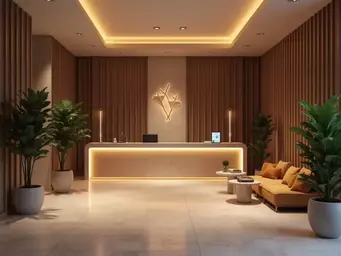
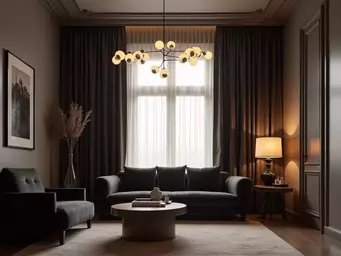
Enhanced Comfort
Guests report feeling more relaxed and at home in sensory-friendly environments.

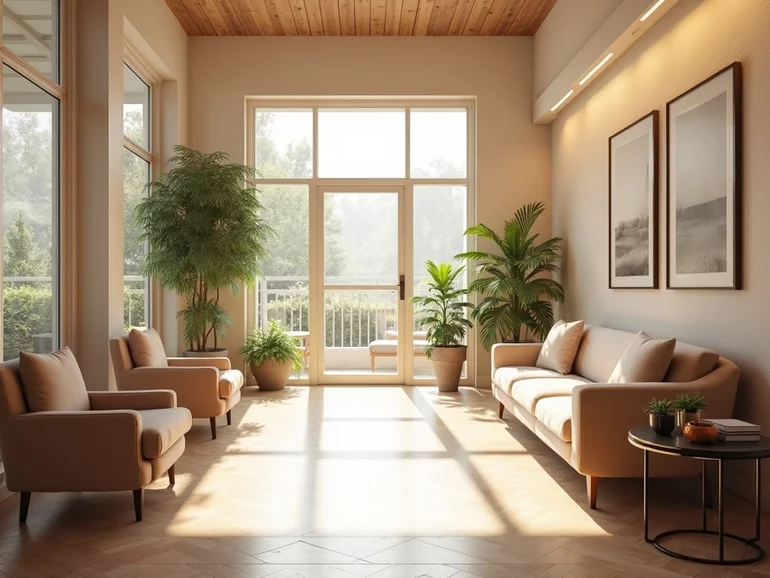
Creating spaces that cater to every guest's needs isn't just a trend; it's a requirement in today's hospitality industry. With the increasing awareness of sensory sensitivities, embracing sensory-friendly design can lead to remarkable transformations in guest experiences.
Evaluating how sensory-friendly design elements enhance guest experiences and overall satisfaction in hospitality settings.
Guests report feeling more relaxed and at home in sensory-friendly environments.
Spaces designed with sensory elements encourage guest interaction and enjoyment.
Families with neurodiverse members often highlight the joy of shared experiences in accommodating environments.
Continuous feedback from guests refines the sensory experience and enhances design effectiveness.
Creating sensory-friendly spaces is not just a trend; it’s a necessity in today’s hospitality industry. As an interior designer, I firmly believe in the importance of sensory-friendly design—especially for accommodating neurodiverse individuals. This design approach focuses on crafting environments that consider the unique sensory needs of all guests, ensuring that everyone feels welcomed and comfortable. For more insights, learn about designing your perfect ambiance.
Sensory-friendly design incorporates elements that cater to various sensory sensitivities, particularly for guests with autism or other neurodiverse conditions. Imagine a hotel lobby where the lighting is soft and the sounds are muted, creating a soothing atmosphere. By understanding these concepts, we can create spaces that enhance guest experiences and promote relaxation.
Key features of sensory-friendly design include:
The demand for inclusive environments has grown significantly within the hospitality sector. Guests today are more aware of their sensory needs and expect accommodations that cater to everyone, including those with sensory sensitivities. As a designer at Luxe Atmosphere Design, I’ve seen firsthand how creating inclusive spaces can lead to enhanced customer satisfaction and loyalty. Explore more about calming hotel lobby sensory spaces for practical examples.
Some reasons inclusivity matters in hospitality include:
Universal design principles are key to creating sensory-friendly spaces that are accessible to everyone. These principles focus on designing environments that are usable by all people, regardless of age, ability, or status. By implementing these principles, we can ensure that hospitality venues appeal to a broader range of guests.
Here are some core universal design principles:
As we delve deeper into creating sensory-friendly spaces, incorporating these principles will guide us in crafting environments that truly resonate with every guest. At Luxe Atmosphere Design, we are committed to elevating the guest experience by embracing inclusivity and creating harmonious environments that engage the senses!
Understanding how to implement sensory accommodations effectively is crucial. The following sections will explore specific strategies that can be applied in hospitality settings to create welcoming, sensory-friendly spaces.
Here's a brief recap of the key points discussed so far:
Understanding the impact of sensory-friendly spaces in hospitality is crucial in today’s environment. At Luxe Atmosphere Design, we’ve seen firsthand how integrating these accommodations can significantly enhance guest experiences. By evaluating long-term guest feedback, we can create spaces that not only meet needs but also exceed expectations, fostering loyalty and satisfaction.
When guests feel comfortable and respected in their environment, their overall satisfaction increases. Implementing sensory accommodations can lead to positive reviews, repeat visits, and ultimately, a boost in revenue. Imagine walking into a hotel and feeling instantly at ease—this is what sensory design aims to achieve!
Gathering feedback from guests about their experiences in sensory-friendly spaces is essential for continuous improvement. Over the years, many clients have shared their insights with us about how these thoughtful designs positively impacted their stay. Common themes include:
At Luxe Atmosphere Design, we encourage our clients to actively seek out guest feedback to adapt and evolve their spaces. From surveys to informal chats, every piece of feedback helps refine the sensory experience.
Creating inclusive environments is not just a benefit; it’s often a requirement. Compliance with regulations like the ADA (Americans with Disabilities Act) ensures that we provide equitable access for all guests. Here’s why it matters:
Incorporating these regulations not only fulfills legal requirements but also enhances the overall guest experience. Guests are more likely to return to a space that shows a commitment to inclusivity.
Have you ever thought about how the environment influences your emotions? Environmental psychology plays a significant role in shaping guest perceptions in hospitality settings. By understanding key concepts, we can create sensory-friendly spaces that feel welcoming and energizing:
By applying principles of environmental psychology, Luxe Atmosphere Design helps clients create spaces that resonate deeply with guests. It’s about more than just looks; it’s about crafting emotional connections. For instance, understanding color psychology in hospitality design can significantly influence guest perceptions.
To truly understand the impact of sensory-friendly design, engaging with the audience is essential. At Luxe Atmosphere Design, I believe that guest input can lead to remarkable enhancements in hospitality spaces. Let’s explore how we can create a continuous improvement loop through effective communication.
Many hospitality professionals have questions about implementing sensory-friendly designs. Here’s a quick overview of common inquiries:
By addressing these questions, we can guide hospitality venues toward creating more inclusive and engaging environments.
Collecting feedback from neurodiverse guests is vital for refining designs. Here are some strategies to engage the community effectively:
At Luxe Atmosphere Design, I value direct communication with guests to create spaces that genuinely meet their needs. Every bit of feedback shapes our approach to design!
Now that we’ve explored the impact of sensory-friendly spaces, it’s time to take action! Whether you’re a seasoned hospitality professional or just starting, consider these next steps to assess and improve your space for sensory accommodations:
It’s an exciting journey toward creating memorable spaces for every guest!
To deepen your knowledge in sensory-friendly design, consider these resources:
These resources can empower your team to embrace sensory-friendly practices and elevate guest experiences.
Once you’ve made sensory-friendly adjustments, it's essential to market these features effectively. Here are some strategies to consider:
By promoting your sensory-friendly offerings, you’ll attract a diverse range of guests eager to experience your welcoming environment!
Here is a quick recap of the important points discussed in the article: